Informations sur le sujet du timbre 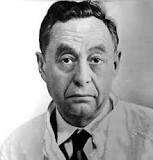
Bernard Naftali Halpern (Image Wikipédia)
Bernard Naftali Halpern
est un immunologiste et allergologue français né à Tarnos-Ruda (en actuelle Ukraine, alors dans l'Empire russe) le 2 novembre 1904 et mort le 23 septembre 1978 à Paris.
En collaboration étroite avec les chimistes de la Société Rhône-Poulenc , Bernard Halpern entreprend alors une série de travaux sur les antihistaminiques, après que D. Bovet et A. M. Staub eurent trouvé un produit doué d'un pouvoir antihistaminique mais trop toxique pour être employé en clinique. Sur son conseil, les chimistes synthétisent d'autres substances, aisément tolérées par l'organisme, dans lesquelles est introduite la structure chimique qui en fait l'antagoniste de l'histamine, facteur ultime des manifestations allergiques. Ces études ont abouti à la mise au point de l'antergan d'abord et, quelques années plus tard, à celle de la prométhazine (Phenergan), qui demeure aujourd'hui encore l'antihistaminique le plus puissant.
Source : divers documents internet dont Wikipédia
Bernard Naftali Halpern
was a French immunologist and allergist born in Tarnos-Ruda (now Ukraine, then in the Russian Empire) on 2 November 1904 and died on 23 September 1978 in Paris.
In close collaboration with the chemists of the Rhône-Rhone SocietyPoulenc , Bernard Halpern then undertook a series of works on antihistamines, after D. Bovet and A. M. Staub had found a product endowed with an antihistamine power but too toxic to be used in the clinic. On his advice, the chemists synthesize other substances, easily tolerated by the body, in which is introduced the chemical structure that makes it the antagonist of histamine, ultimate factor of allergic manifestations. These studies led to the development of antergan first and, a few years later, promethazine (Phenergan), which remains today the most powerful antihistamine.
Source : various Internet documents including Wikipedia