Informations sur le sujet du timbre 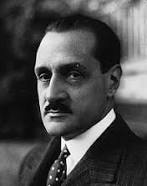
Robert Esnault-Pelterie (Image Wikipédia)
Robert Esnault-Pelterie
né le 8 novembre 1881 à Paris 9e et mort le 6 décembre 1957 (à 76 ans) à Nice, est un ingénieur aéronautique et inventeur français.
Avec les capitaux de sa grand-mère maternelle, son père l'associe à une nouvelle société, les établissements Esnault-Pelterie, au capital de 800 000 francs. En 1906, la société acquiert au 149 rue de Silly à Boulogne-sur-Seine un terrain et Robert invente le moteur en étoile. En décembre, il dépose le brevet du manche à balai. Le 10 octobre 1907, à Buc-Toussus-le-Noble, il teste son REP 1, monoplan à structure métallique entoilée et vernie, équipé d'un moteur en étoile. C'est le premier monoplan à voler et le premier avion construit à partir d'une armature de métal. Le métal apportait la rigidité et son surpoids était compensé par l'abandon de la structure biplane. Après un accident le 18 juin 1908, il abandonne le pilotage et la même année ouvre, sur le terrain de la rue de Silly, la deuxième usine aéronautique du monde après celle, toute proche, des frères Voisin, la société REP (qui existe toujours). Il sera à l'initiative de la première exposition de la locomotion aérienne au Grand Palais à Paris en 1909, qui deviendra l'actuel salon international de l'aéronautique et de l'espace du Bourget.
Source Wikipédia
Robert Esnault-Pelterie
born 8 November 1881 in Paris 9th and died 6 December 1957 (aged 76) in Nice, is a French aeronautical engineer and inventor.
With the capital of his maternal grandmother, his father associates him to a new company, the Esnault-Pelterie establishments, with a capital of 800,000 francs. In 1906, the company acquired a plot of land at 149 rue de Silly in Boulogne-sur-Seine and Robert invented the star motor. In December, he filed the patent for the broom handle. On 10 October 1907, at Buc-Toussus-le-Noble, he tested his REP 1, a monoplane with a steel structure interlaced and varnished, equipped with a star engine. It is the first monoplane to fly and the first aircraft built from a metal frame. The metal provided rigidity and its overweight was compensated by the abandonment of the biplane structure. After an accident on 18 June 1908, he gave up flying and the same year opened, on the grounds of rue de Silly, the second aeronautical factory in the world after the one, very close to the brothers Voisin, the REP company (which still exists). He was the initiator of the first exhibition of air locomotion at the Grand Palais in Paris in 1909, which became the current international airshow and space show at Le Bourget.
Source Wikipedia