Informations sur le sujet du timbre 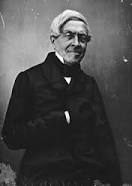
Jules Michelet (Image Wikipédia)
Jules Michelet
né le 21 août 1798 à Paris et mort le 9 février 1874 à Hyères, est un historien français. Libéral et anticlérical, il est considéré comme étant l'un des grands historiens du XIXe siècle
Bien qu'il ait des idées politiques fermes que lui a transmises son père, il est d'abord et avant tout un homme de lettres et un enquêteur sur l'histoire du passé. Il appartient à cette école qui pense que l'histoire doit être avant tout un cours d'enseignement philosophique, et ses premiers ouvrages sont des manuels scolaires. Son ouvrage Précis d'histoire moderne, publié en 1827, est un livre solide et soigné, meilleur que tout ce qui est paru auparavant, écrit dans un style sobre et néanmoins captivant. Outre la reprise de sa grande Histoire de France, momentanément interrompue au sixième volume au règne de Louis XI, il entreprend et termine une Histoire de la Révolution française.
Le coup d'État de Napoléon III a pour conséquence une décision ministérielle d'avril 1852 qui destitue Michelet de son cours au Collège de France. De même, refusant de prêter serment à l'Empire, il perd sa place aux Archives. De la mi-1852 à octobre 1853, il vit à Nantes ou il poursuit son histoire de la Révolution française jusqu'à la chute de Robespierre.
Source : divers documents internet dont Wikipédia
Jules Michelet
born on 21 August 1798 in Paris and died on 9 February 1874 in Hyères, is a French historian. Liberal and anticlerical, he is considered one of the great historians of the 19th century
Although he had strong political ideas that his father passed on to him, he was first and foremost a man of letters and an investigator on the history of the past. He belongs to this school which believes that history should be above all a philosophical course, and his first works are textbooks. His book Précis d'histoire moderne, published in 1827, is a solid and neat book, better than anything previously published, written in a sober yet captivating style. In addition to the resumption of his great History of France, temporarily interrupted in volume six during the reign of Louis XI, he undertook and completed a History of the French Revolution.
The coup d'état of Napoleon III resulted in a ministerial decision in April 1852 which removed Michelet from his course at the Collège de France. Similarly, refusing to take the oath to the Empire, he loses his place in the Archives. From mid-1852 to October 1853, he lived in Nantes where he continued his story of the French Revolution until the fall of Robespierre.
Source : various Internet documents including Wikipedia